

laminated glass car windows
The Importance of Steel Ground Anchors in Modern Engineering In contemporary construction and engineering projects, the significance of ground anchors cannot be overstated. Among the various types, steel ground anchors stand out for their structural integrity, durability, and adaptability across a wide range of applications. Whether in civil engineering, landscaping, or emergency rescue operations, steel ground anchors play a crucial role in ensuring stability and safety. Understanding Steel Ground Anchors Steel ground anchors are devices that are used to secure structures to the ground, preventing movement caused by external forces such as wind, soil settlement, or seismic activity. They are typically made from high-strength steel, providing a robust solution with high tensile strength and resistance to corrosion. Designed to transfer loads into the ground, these anchors are essential for securing a variety of structures such as buildings, towers, and retaining walls. Applications of Steel Ground Anchors 1. Civil Engineering In civil engineering projects, steel ground anchors are often employed to stabilize slopes and prevent landslides. They are used in the construction of deep foundations for bridges and buildings. These anchors are crucial during excavation, providing lateral support and maintaining the safety of the site. For example, during the construction of a high-rise building, engineers may use ground anchors to hold back soil and ensure the stability of adjacent structures. 2. Telecommunication and Energy Sectors Telecommunication towers and wind turbines are often anchored using steel ground anchors to withstand the forces of nature. The stability provided by these anchors is essential for ensuring the safety and functionality of communication networks and renewable energy sources . For instance, wind turbines must endure high winds; steel anchors prevent them from toppling over, thereby increasing their operational lifespan. steel ground anchors 3. Landscaping and Retaining Walls In landscaping, steel ground anchors are used to secure retaining walls and outdoor structures such as pergolas and fence systems. They help to prevent soil erosion and maintain the integrity of landscaping designs. By anchoring retaining walls, these structures can effectively hold back soil, protecting gardens and homes from potential damage. 4. Emergency and Rescue Operations Steel ground anchors are critical in emergency situations, especially in search and rescue operations. They can provide anchorage points for rescue lines or equipment, ensuring the safety of rescue workers. For instance, in situations involving collapsed structures, these anchors help to secure stable platforms for rescuers while they conduct their operations. Advantages of Steel Ground Anchors The choice of steel for ground anchors is primarily due to its many advantages. Steel ground anchors are known for their exceptional load-bearing capacity, high tensile strength, and excellent resistance to environmental factors like corrosion and UV radiation. Modern treatments and coatings can enhance the durability of these anchors, making them suitable for harsh weather conditions and varied soil types. Moreover, the installation of steel ground anchors is relatively straightforward. With specialized equipment, construction teams can quickly and efficiently install these anchors, reducing project timelines. This efficiency also translates into cost savings, as fewer materials and labor are required compared to alternative anchoring methods. Conclusion In conclusion, steel ground anchors are an indispensable component in the fields of construction and engineering. Their versatility, strength, and effectiveness in stabilizing structures make them a preferred choice for various applications. As construction practices and technologies continue to evolve, the role of steel ground anchors will undoubtedly expand, further contributing to the safety and durability of modern infrastructure. Engineers and construction professionals must continue to embrace innovative anchoring solutions to ensure that our built environment stands resilient against the forces of nature and time.
about
laminated glass car windows
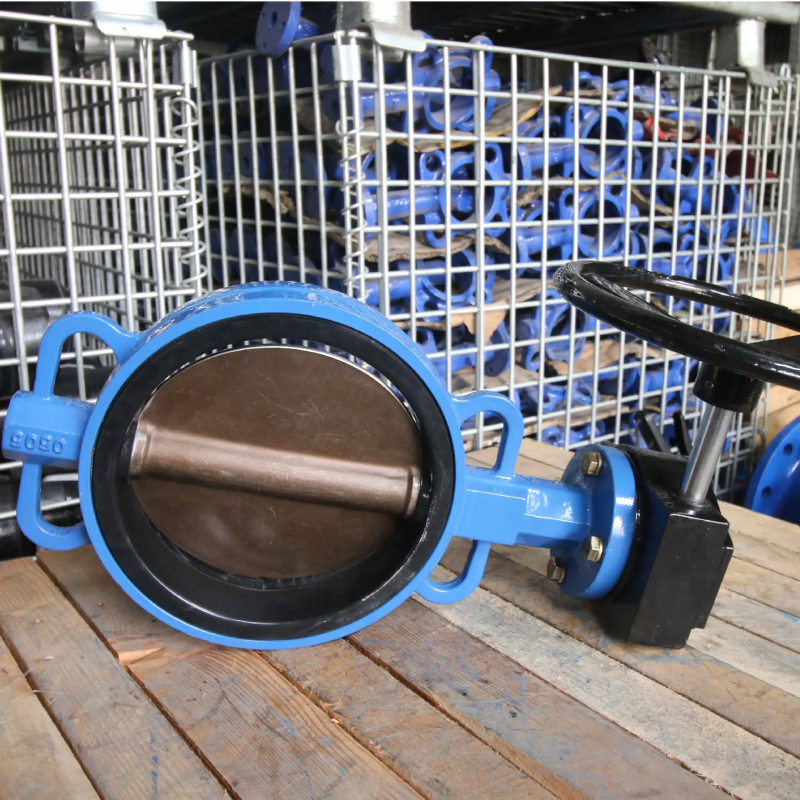
Understanding Butterfly Valve Manufacturers A Comprehensive Overview Butterfly valves play a pivotal role in various industrial applications due to their simplicity, robustness, and ability to provide efficient flow regulation. These valves are designed to be lightweight and require minimal space, making them ideal for a wide range of operations in sectors like water treatment, oil and gas, power generation, and chemical processing. The significance of butterfly valve manufacturers cannot be overstated, as they are the linchpin in ensuring that these essential components are produced to high standards of quality and reliability. The Role of Butterfly Valve Manufacturers Butterfly valve manufacturers are responsible for the design, production, and distribution of these critical components. They work with various materials such as cast iron, stainless steel, and plastic, which allows for versatility depending on the application needs. The manufacturers utilize advanced technology and robotics in their production lines to ensure precision and minimize human error, resulting in high-quality valves that adhere to industry standards. In addition to production, these manufacturers also invest heavily in research and development. The ever-evolving nature of industrial applications demands continual improvement in product efficiency, performance, and sustainability. As a result, manufacturers are increasingly focused on creating valves that offer better flow coefficients, reduced torque requirements, and longer service life. Furthermore, manufacturers are recognizing the importance of environmental considerations and are integrating eco-friendly materials and processes into their operations. Quality Assurance and Standards Quality assurance is paramount for butterfly valve manufacturers . They often adhere to international standards such as the American National Standards Institute (ANSI), the International Organization for Standardization (ISO), and the American Society of Mechanical Engineers (ASME). Compliance with these standards ensures that the butterfly valves produced are not only reliable but also safe for industrial use. Manufacturers also implement rigorous testing protocols throughout the production process. This includes pressure testing, leakage testing, and structural integrity assessments. By conducting these tests, manufacturers can identify and rectify potential issues before the valves reach the market, ensuring that customers receive products that meet the highest quality standards. butterfly valve manufacturer Customization and Specialization One of the key advantages of working with experienced butterfly valve manufacturers is their ability to offer customized solutions tailored to specific application requirements. Many industries have unique operational needs that standard valves may not adequately address. Manufacturers often provide engineering support to design bespoke valve configurations that are optimized for particular applications. For instance, in high-temperature applications, valves may need to be constructed from specialized materials that can withstand extreme conditions. Similarly, in corrosive environments, the selection of appropriate materials is critical. Skilled manufacturers have the expertise to recommend suitable designs and materials that enhance performance under challenging conditions. The Importance of After-Sales Support After-sales support is another critical aspect of butterfly valve manufacturing. Reputable manufacturers understand that the relationship with their customers extends beyond the sale of a product. They often provide ongoing technical support, maintenance services, and training to ensure customers can effectively utilize their valves. This support is vital for ensuring the longevity and efficiency of the valves. Regular maintenance and periodic inspections can identify wear and tear, helping to avoid unexpected failures and costly downtime. Manufacturers that prioritize after-sales service cultivate strong relationships with their clients, leading to repeat business and positive referrals within the industry. Conclusion In conclusion, butterfly valve manufacturers play an essential role in the industrial landscape, providing critical components that ensure efficient and safe operations across various sectors. Their dedication to quality, innovation, and customer support not only contributes to the effectiveness of industrial systems but also promotes a commitment to sustainability and environmental responsibility. As industries continue to evolve, the role of these manufacturers will be more crucial than ever, driving advancements in valve technology and ensuring that businesses can operate smoothly and efficiently.
-

High quality industrial productsagement

High quality industrial products
View Details -

Meet the diverse needs of customers

Meet the diverse needs of customers
View Details -

Strict quality control

Strict quality control
View Details -

Top raw materials

Top raw materials
View Details -

Trusted supplier

Trusted supplier
View Details
Our application
news and information
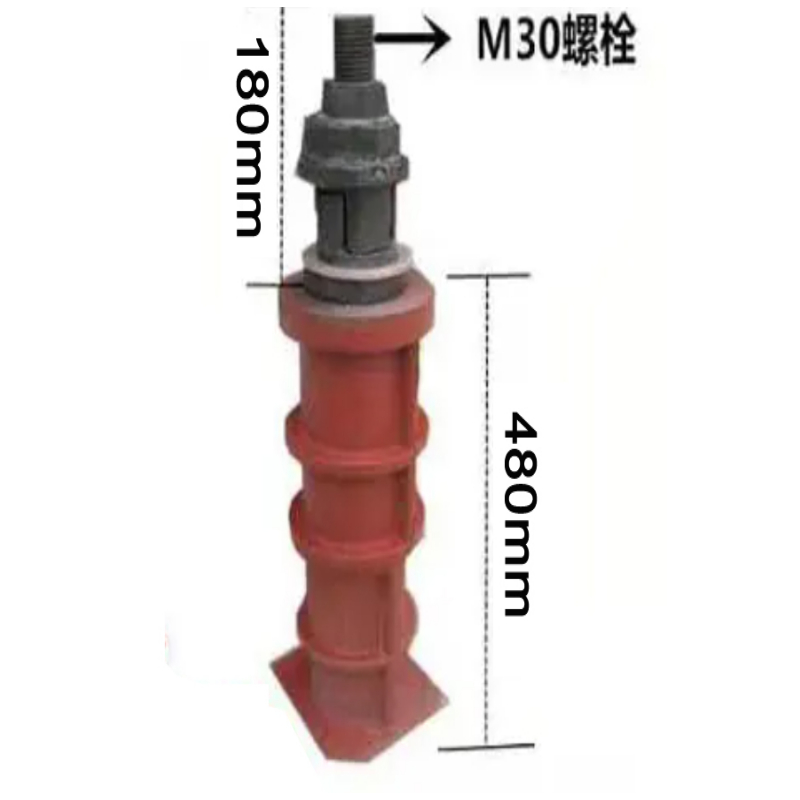
Verktyg för att mäta och utvärdera prestationer och framsteg
measuring tool .
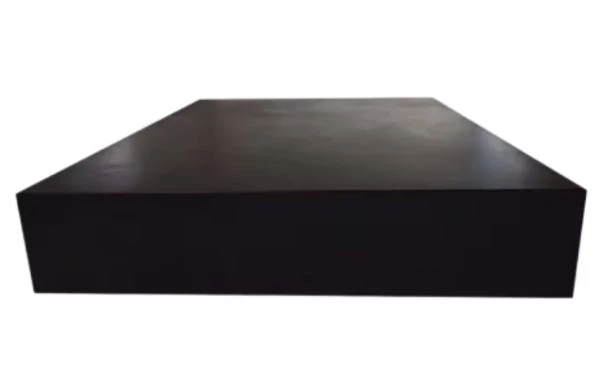
water globe valve
Understanding Water Globe Valves Design, Function, and Applications Water globe valves are essential
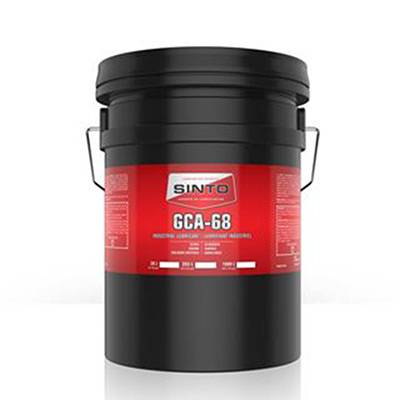
water flow control valve types
The innovative technology behind water control valves has dramatically revolutionized the way indust
 English